Digital Marketing: The Ultimate to Online Success
What Is Digital Marketing?
Digital marketing refers to all online strategies and tools businesses use to promote products and services through digital channels. It includes search engines, social media, websites, emails, and more.
In simple terms, it’s how brands connect with customers where they spend most of their time—online. Whether you’re a local shop or a global brand, digital marketing near me strategies can help you reach new customers in your area and beyond.
Why Digital Marketing Matters in 2026
The digital landscape is evolving faster than ever.
- Over 90% of consumers search online before making a purchase.
- Mobile searches for “near me” terms have grown by over 200% in the last five years.
- Businesses investing in digital marketing report 2.8x higher revenue growth.
In 2026, having a strong online presence isn’t optional—it’s a survival strategy. If your competitors are online, you need to be there too.
The Power of Local Digital Marketing Near Me
When users type “digital marketing near me,” they’re searching for experts who understand local markets. Local digital marketing focuses on:
- Geo-targeted ads for specific locations.
- Google Business Profile optimization.
- Local keyword strategies.
- Building trust through community engagement.
Understanding the Digital Marketing Ecosystem
Digital marketing is not one-size-fits-all. It’s a combination of online tools working together, including:
A successful digital marketing strategy brings together several channels that each serve a unique purpose. SEO (Search Engine Optimization) helps your website rank higher on Google, improving visibility and attracting organic traffic from users searching for your products or services. PPC ads complement this by driving immediate, targeted traffic to your site, giving you quick exposure while SEO builds long-term results.
Meanwhile, content marketing builds authority and trust by offering valuable information to your audience, while social media marketing increases engagement and boosts brand awareness. Email marketing keeps customers informed and nurtures lasting relationships, ensuring they stay connected to your brand. Finally, analytics ties it all together by measuring performance, revealing insights, and helping you refine every part of your digital marketing strategy for better results.
A well-balanced digital marketing plan uses all of these elements strategically.
Core Components of a Successful Digital Marketing Strategy
To succeed online, your plan should include:
- Clear goals (traffic, leads, sales).
- Audience research—know who you’re targeting.
- Competitor analysis.
- Keyword research (e.g., “Digital Marketing near me”).
- Consistent branding and content.
When these elements align, your brand attracts and retains customers more effectively.
Search Engine Optimization (SEO)
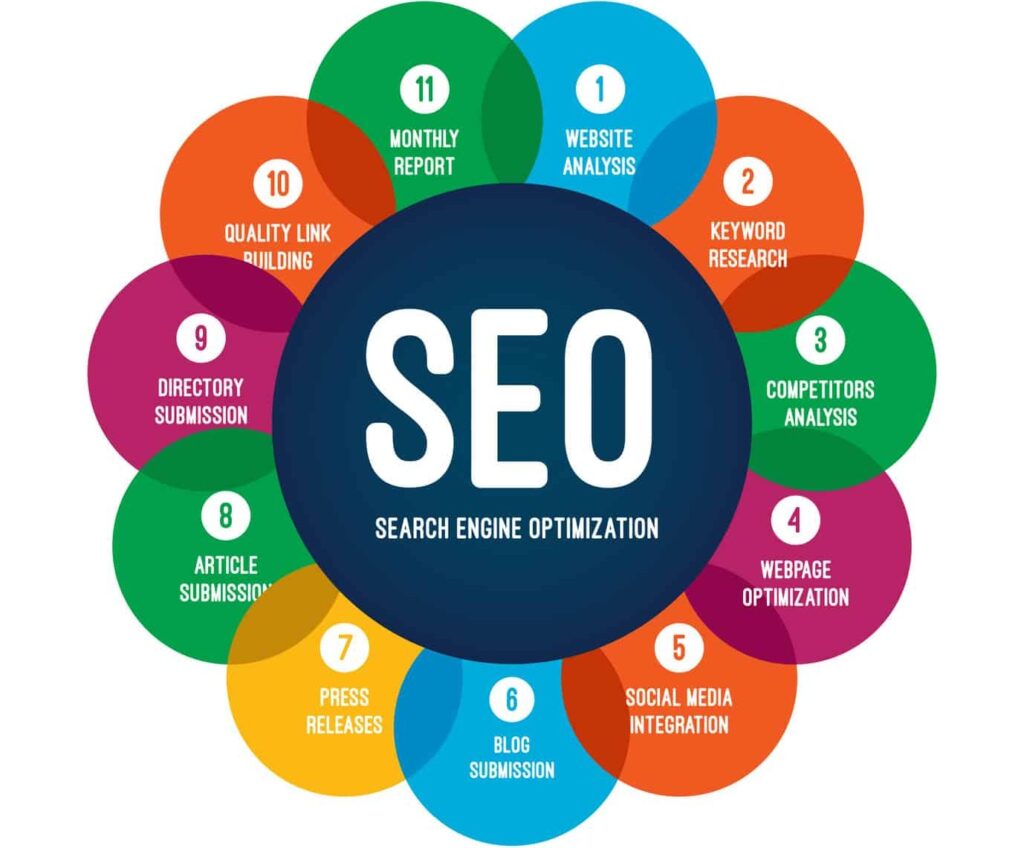
SEO is the foundation of every digital marketing plan.
It helps your website rank higher on Google for relevant searches like “Digital Marketing near me.”
Key SEO Elements:
- On-page optimization: Using keywords naturally.
- Off-page optimization: Earning backlinks from credible sites.
- Technical SEO: Improving speed, mobile design, and security.
- Local SEO: Optimizing for local intent and maps.
Pay-Per-Click Advertising (PPC)
PPC ads provide instant visibility. You pay only when someone clicks your ad.
Benefits of PPC:
- Immediate traffic boost.
- Advanced targeting by location, age, or behavior.
- Perfect for promoting local digital marketing near me services.
Platforms like Google Ads and Meta Ads offer analytics that make budgeting and scaling easier.
Social Media Marketing (SMM)
Social media is where modern conversations thrive.
Platforms like Facebook, Instagram, and LinkedIn allow brands to connect directly with their audiences, share updates, and build strong communities.
Tips for Effective SMM:
- Post valuable, entertaining, and shareable content.
- Respond quickly to messages and comments.
- Use location tags to appear in nearby searches.
- Run geo-targeted ads to attract local leads and followers.
Email Marketing: The Hidden Gem

Email marketing still delivers one of the highest ROI rates—$36 for every $1 spent.
It helps nurture leads and turn subscribers into loyal customers.
Use it to:
- Send helpful newsletters and product updates.
- Share local promotions for users searching for services “near me.”
- Automate follow-ups to save time and boost conversions.
Content Marketing for Authority Building
High-quality content builds trust and showcases your expertise.
Try using:
- Blog articles that explain valuable insights.
- Case studies that prove your results.
- Infographics and guides that educate readers.
Consistently creating meaningful content signals reliability—an essential factor in Google’s ranking algorithm.
Video Marketing and Visual Storytelling
Video content now drives 80% of total online engagement.
You can produce:
- Explainer videos introducing your services.
- Customer testimonials that build credibility.
- Behind-the-scenes clips to humanize your brand.
Visual storytelling boosts user trust and helps audiences connect emotionally with your message.
Website Optimization and User Experience
Your website acts as your digital storefront.
A slow or poorly designed site can push visitors away before they engage.
Focus on:
- Speed—pages should load within three seconds.
- A mobile-friendly layout that adapts to all devices.
- Clear navigation and visible calls to action.
- Local landing pages optimized for users searching “near me.”
Measuring Marketing ROI
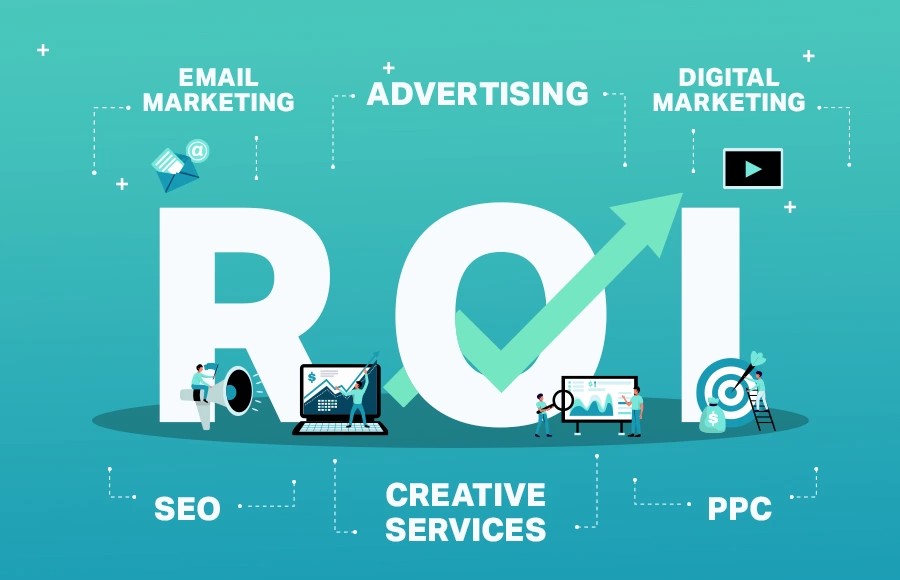
To understand what’s working, track results using:
- Google Analytics 4 (GA4)
- Google Search Console
- SEMrush or Ahrefs
Monitor metrics such as:
- Traffic sources
- Conversion rates
- Cost per lead
- Customer retention
Analyzing data regularly helps refine your campaigns and allocate resources more effectively.
Local SEO and Small Business Growth
Local SEO improves your visibility in Google Maps and nearby search results.
To strengthen local presence:
- Keep your business name, address, and phone number (NAP) consistent online.
- Gather positive Google reviews.
- Publish locally relevant blog posts and updates.
These steps can help small and medium businesses outperform larger competitors in the local market.
Choosing the Right Agency
When selecting a marketing partner:
- Review their past projects and case studies.
- Look for verified Google certifications.
- Ask for transparency in data and reporting.
- Choose agencies that specialize in local optimization and measurable growth.
A reliable partner can significantly increase your brand’s online reach and sales performance.
Common Mistakes to Avoid
Avoid these pitfalls:
- Ignoring mobile users.
- Repeating the same keywords excessively.
- Neglecting analytics and performance tracking.
- Using fake followers or low-quality backlinks.
Sustainable marketing focuses on authentic engagement—not shortcuts.
Emerging Trends
The industry continues to evolve toward:
- AI-driven personalization
- Voice and visual search optimization
- Augmented reality promotions
- Sustainability-focused branding
Early adopters of these trends gain a competitive advantage in audience engagement and brand trust.
The Role of Artificial Intelligence

AI now powers smarter campaigns by automating repetitive tasks, analyzing user behavior, and predicting future trends.
Tools like ChatGPT, Google Gemini, and Jasper AI allow marketers to deliver personalized content faster and more effectively.
Building a Winning Marketing Plan
To create a strong online strategy:
- Set clear goals.
- Research competitors.
- Choose suitable channels.
- Develop valuable, user-focused content.
- Measure performance and optimize regularly.
Consistency and data-driven decisions are the foundation of sustainable success.
Conclusion
In today’s digital-first world, a strong online presence is essential for growth.
Whether you’re exploring local marketing near you or expanding globally, using the right mix of strategies—from content and SEO to social and email—will help you attract, engage, and retain customers.
Success comes from steady improvement and a genuine commitment to delivering value.
FAQs
Q1: What does digital marketing include?
It includes SEO, PPC, content marketing, social media, and email marketing strategies.
Q2: How do I find the best digital marketing near me?
Look for agencies with verified Google reviews, transparent pricing, and proven results in your area.
Q3: Is digital marketing expensive?
Costs vary, but local digital marketing is usually affordable and scalable based on your goals.
Q4: What’s the difference between SEO and PPC?
SEO builds long-term organic traffic; PPC delivers instant paid traffic.
Q5: How long does digital marketing take to show results?
SEO may take 3–6 months, while PPC and social media can show results instantly.
Q6: How does local SEO improve visibility?
It helps your business appear in “near me” searches and Google Maps listings.
Q7: Can small businesses compete with large brands online?
Absolutely. Smart local targeting and quality content can outrank big corporations.
Q8: What tools help with digital marketing?
Google Analytics, SEMrush, HubSpot, and Canva are top tools for marketing success.